
When the Australian politician John Howard was ousted (again) as leader of his party in the late 1980s, he was asked by a journalist whether he could see himself returning to the role. “That would take Lazarus with a triple bypass” was his response.
It strikes me that a similar level of incredulity would greet the proposition of whether another Battersea Power Station project could be pulled off again – the development industry is a very different place to when Battersea’s fourth (and ultimately successful) owners bought the site.
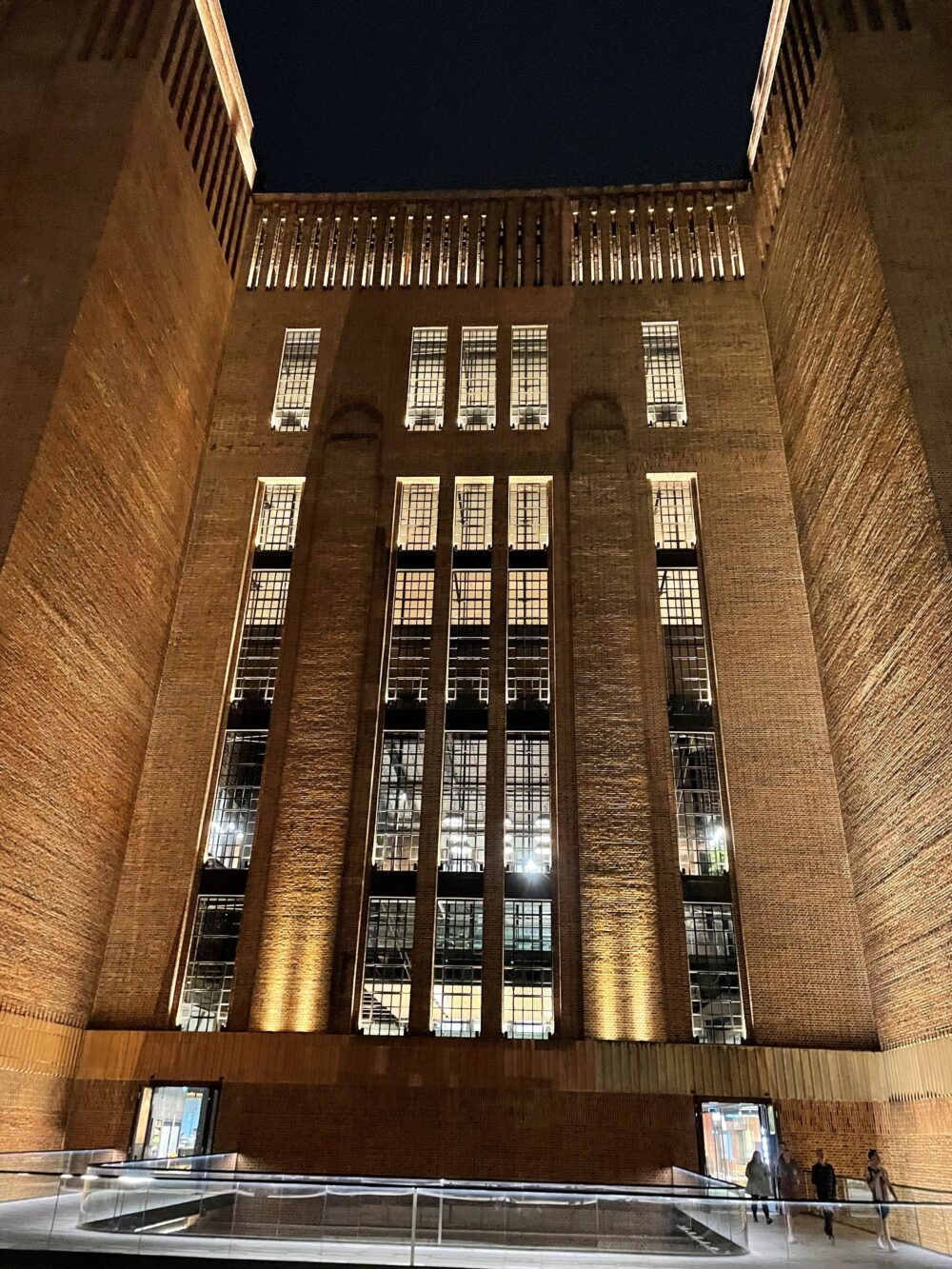
Cast your mind back to September 2012. London was basking in the glory of the Olympics and, across town in Nine Elms, a Malaysian consortium had just bought the derelict Battersea Power Station site following a series of failed redevelopment attempts by other developers. The roof was gone, the boiler house hollowed out, and the iconic chimneys crumbling.
The news that it had been sold – again – was met with scepticism. “oh, it’s been sold to the Malaysians this time. It will never happen.” The biggest challenge at the time was doubt.
However, amongst that challenge was a mixture of ingredients essential for delivering large, complex projects: collaboration, a light planning framework, and a clear view of where the risks sat and how to manage them.
Collaboration. For any project to succeed through the planning system, there needs to be a shared objective. The various parties (developers, elected members, planners) will approach the objectives from their own perspective and with their own criteria, but the objective that all parties seek remains the same. For Battersea it was: ‘restore the Power Station and deliver the Northern Line Extension (NLE)’. Everything followed from that.
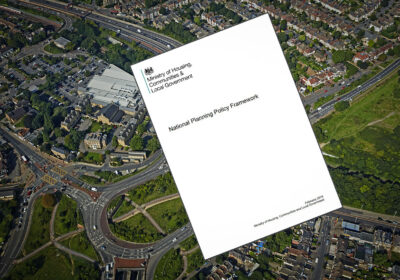
When the site was purchased the newly created National Planning Policy Framework (NPPF) and Vauxhall Nine Elms Battersea Opportunity Area Planning Framework (VNEB OAPF) were bedding in and there was an optimism that, despite its history of failure, it was going to happen.
The NPPF and OAPF are important because they were, as they say on the tin, frameworks. They gave the policy direction and broad vision that developers then, in conjunction with planners, politicians, and the public, filled in. Good planning policy should be an enabling function to bring forward good development, as opposed to seeking to require new development to solve every societal problem.
Looking back, I am astonished and impressed by the level of risk taken on, by both the public sector and the private sector. The Leaders of Wandsworth and Lambeth putting their political necks on the line and enabling their Councils to back the Opportunity Area creation. The Mayor taking out a billion pound loan for the NLE, the Chancellor then guaranteeing the loan and the DCLG Secretary of State creating an Enterprise Zone to capture business rates to repay the loan.
This then enabled the private sector to play its part. A range of high quality developers came forward and took a punt on pouring investment into delivering 20,000 new homes and 25,000 new jobs into what was, in 2012, an industrial wasteland. Not least of which the Malaysian consortium, who have invested billions of pounds into the Power Station and its surrounding land holdings.
Would it happen today? Can anyone point to a project where any party (public or private) is willing to take any risks? Is the industry operating generally in a state of collaboration with shared objectives, or are applicants just assuming their scheme will end up at appeal? And has the planning system moved from an enabling framework to one where an insect’s habitat protection has more priority than someone getting the keys to their home?
An essential attribute for any developer is to be optimistic so to answer the question of whether another Battersea Power Station project could be pulled off again I will do the classic ‘fudge’ and say maybe. After all, John Howard did return as leader of his party and went on to be Australia’s second-longest serving Prime Minister, so anything is possible.
Gordon Adams was for over a decade the Head of Planning and Public Affairs at the Battersea Power Station Company. Prior to this, he was a team leader in the Major Applications at LB Southwark. He was also a former Planning Committee Member at the Old Oak and Park Royal Development Corporation (OPDC). He now runs his own planning and development consultancy, Crooble.