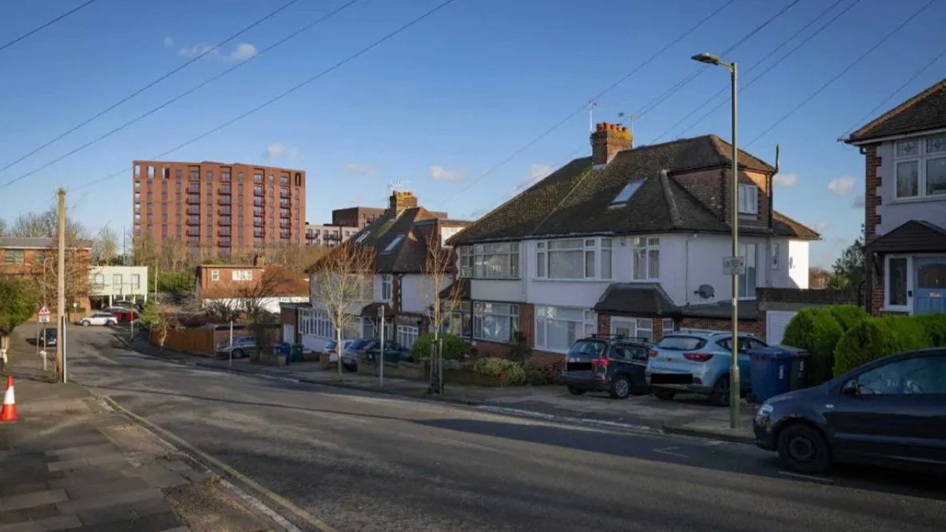

Last week, Barnet Councillors overturned a positive officer recommendation and refused planning permission for a Barratt/ TFL JV proposal that would have delivered 283 homes on High Barnet tube station car park. The local election might be in May, but London Councillors are already feeling the heat.
In the UK, investment decisions have been repeatedly disrupted by a succession of macro and micro political events. Plans were first put on hold for the 2024 General Election and then again in the build up to the Budget in 2025, which saw a cessation in capital market investment. Our nerves get a short rest over Christmas. But shortly after January, capital investment in the capital will down tools again until May, when Londoners will head to the polls to decide on the political composition of its Boroughs.
Readers of PropViews will know this is the second time Barratt has received a gut punch from the London polity, following the strange decision they received from Wandsworth. The Council turned down their 50% affordable scheme at Springfield Hospital (more linked here). Like Springfield Hospital, the package offered to Barnet was remarkably generous.
The scheme in Barnet, had it been approved, offered 40% affordable housing (with a policy compliant split of Social Rent to Intermediate). Alongside public realm improvements such as increased lighting, repairments to the unusual footway and new pedestrian crossings.
Unfortunately, it wasn’t to be. It was voted down 8-1 by Members, despite officer’s recommendation for approval.
What on earth is happening I hear readers say? Shouldn’t nearside station developments get a default yes? It appears Barnet Councillors paid scant attention to last month’s MHCLG publication. This scheme had the opportunity to be the poster child for that initiative.
The biggest concern Councillors had was building height. This fear derived from the Inspector’s comment during the site allocation stage of the local plan. It had been suggested the site was not appropriate for tall buildings. Barnet Officers on the night reminded Members this was not statute and should not carry any weight in their decision making … this reminder had little effect.
It was not until the final minutes of the committee that Members were reminded they need two reasons to refuse a scheme. Scrambling around for further reasons, they alighted on massing only to be told the proposed scheme was delivering fewer homes than the site allocation proposed. So, in the end it was the fact the applicant had not signed S.106 prior to committee … flimsy.
Echoed throughout this rich vein of NIMBYism was an inherent distrust of ‘property professionals’. Valid concerns about the level of congestion and townscape harm were raised and in turn addressed in the labyrinth of reports produced as part of the planning application. However, the conclusions reached in these documents were rubbished by Members. One wonders what the point is of spending seven-figures on planning reports that are breezily discounted (and likely not even read).
Odds are the scheme will be called in by the Mayor or granted consent at appeal but there seems to be few reasons to stop the same thing happening again. In fact, this whole committee is an example of it ‘happening again’. The week prior, another applicant (Regal), faced the committee with an officer recommendation for approval on a scheme of 1,500 homes but was voted down 8:0 with one abstention on the night in similar fashion. Side note, many readers will know Regal has just been purchased by an international investor looking to deliver a substantial number of homes in the UK – what a welcome.
Regardless, the incentives between central and local government are fundamentally misaligned. At the local elections in May councillors can boast to their electorate they did everything they could to halt development but that big bad central government overruled them. There is little to no consequence at the local level, whilst the central government miss their targets and the developer suffers yet more cost and more delay.
The likes of Barratt are big business. This scenario, if it played out with SME developer would be catastrophic.
One more observation. Elected Members are increasingly leaning towards the idea that if a scheme does not meet every single policy within the local plan, it should not be consented.
It might be that time of year where turkeys vote for Christmas but this suggests many might want to give up their discretionary powers and move towards a zonal planning where things really are that binary. Perhaps that is what is required to unlock housing. Until this disconnect is resolved, the Labour Government’s attempt to build will not yield a significant number of new homes, no matter how many press statements are put out in the interim.
Thank you to a number of dedicated YIMBYs who contributed to this article.