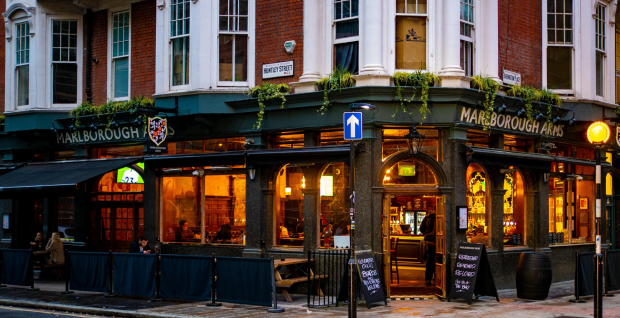

When pub landlords mobilised against proposed changes to business rates, they did something the private rental sector has conspicuously failed to do: they won. Faced with a tax regime that threatened the viability of thousands of pubs, the sector organised, framed its case clearly, and secured political attention — including from a Labour government not instinctively sympathetic to landlords.
Property landlords, by contrast, absorbed another fiscal hit at last year’s Budget with barely a ripple of political resistance. Changes to capital gains taxation, further reductions in allowances, and the confirmed removal of the furnished holiday lettings regime all landed on a sector already weakened by the loss of mortgage interest relief and higher stamp duty. Once again, the response was fragmented, muted and largely invisible beyond industry circles.
The contrast is instructive.
At a basic level, both pub landlords and property landlords operate asset-intensive businesses. Both provide widely used social infrastructure. Both are exposed to taxes that bear little relation to short-term performance or cash flow. Yet pub landlords succeeded because they shifted the argument away from ownership and towards outcomes. Their case was not that landlords were being treated unfairly, but that pubs matter — to town centres, employment, social life and local identity. Tax policy was framed as a threat to places, not profits.
Property landlords rarely make that connection. Too often, tax changes are presented as technical grievances rather than part of a wider story about housing supply, labour mobility and rental affordability. This leaves the sector open to caricature and politically easy to ignore.
Visibility matters too. When pubs close, the consequences are immediate and tangible: boarded-up frontages, empty high streets and lost jobs. When rental homes leave the market, the impact is quieter and slower. Properties do not disappear; they are sold, repurposed or absorbed elsewhere. The damage emerges later — through higher rents, reduced choice and increased insecurity — and is rarely traced back to tax decisions.
There is also a lesson in organisation. Pub landlords spoke with a relatively unified voice, supported by credible trade bodies and a clear public narrative. The private rented sector remains deeply fragmented, split across tenure types, scales of ownership and investment models, with no single, trusted platform capable of engaging policymakers on equal terms.
The uncomfortable truth is that property landlords are losing the argument before they make it. Last year’s Budget demonstrated how easy it is for tax changes to land without resistance when a sector fails to articulate its wider value. If landlords want future debates to play out differently, they may need to stop talking about fairness to landlords — and start talking about function, consequence and public interest.
The pub landlords understood that survival depended on relevance. Property landlords would do well to learn the same lesson — while there is still time.