

The Pennycook intervention and the collateral damage that the planning system routinely makes to UK plc
Britain’s planning system is a ramshackle hybrid of snakes and ladders and complex time zapping interventions from different quangos and tiers of Government. Housing Minister Matthew Pennycook demonstrated this for the umpteenth time with an intervention at the end of last month to stick the City of London’s 2040 Plan into deep freeze.
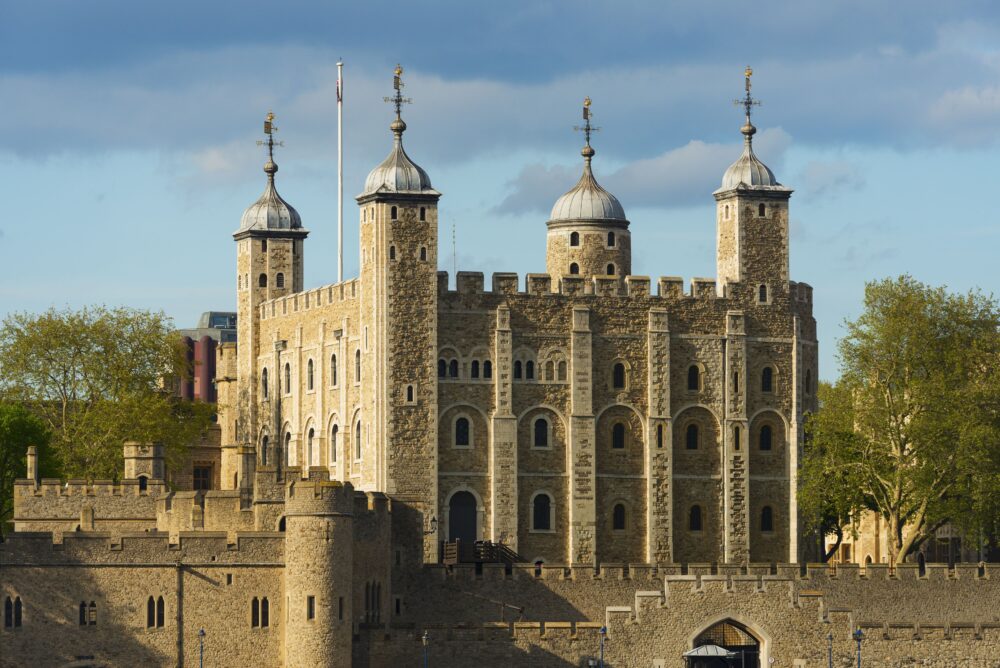
Using Section 20(6A) of the Planning and Compulsory Purchase Act 2004, Pennycook directed the City to halt publication of their examination report and convene additional hearings on Historic England’s alternative tall building contours around the Tower of London. This is a question already examined in full more than a year ago, in a plan his own inspectors had found sound, making what Pennycook himself described as “commendable efforts” to assess the heritage impacts.
The City of London Corporation was of course furious. Tom Sleigh its planning lead and an increasingly public figure in the planning world, called it “anti-growth,” “unnecessary,” and said it “beggars belief.” Chris Hayward the City’s Policy Chair put numbers on the cost: more than 100,000 square metres of commercial floorspace at risk, 7,000 jobs, £1.2 billion in annual economic output, £1.7 billion of investment. “Reopening settled questions now sends the wrong signal at exactly the wrong time.”
The Collateral Victim
But the City of London is only half the story. Inspector Bridgwater and Inspector Phillips are also appointed to examine the Tower Hamlets Draft Local Plan. Tower Hamlets had hearings ready to begin. They have been postponed — not because of anything in the Tower Hamlets plan, not because of any soundness concern, not because of any issue raised about Tower Hamlets’ evidence. They have been postponed because the same two inspectors cannot proceed while Pennycook’s City of London direction is being addressed.
Whilst I don’t think Tower Hamlets has made the right call to oppose the Mayor’s LPG it needs to be acknowledged they are a Borough that has built more homes than any other local authority in England over the last five years. Its Local Plan aims to achieve 53,000 new homes. It is ready. It is waiting. Indefinitely.
Together, the City of London and Tower Hamlets plans could deliver over one million jobs. Both their Local Plans — the frameworks that underpin a material slice of UK plc — are on hold.
One letter. Two plans. A million jobs.
The Heritage Argument — and Why It Doesn’t Justify This
The heritage concern is not without foundation. UNESCO formally requested a State of Conservation Report from the UK Government in 2024. ICOMOS went further — recommending the government call in already-approved schemes at 1 Undershaft and 70 Gracechurch Street, and calling for a “drastic revision” of City Plan 2040. Historic Royal Palaces argues that a decade of cumulative skyscraper approvals has significantly eroded the Tower’s setting, and that the City Plan’s proposed contours would make it worse.
These are material arguments. The Tower of London’s World Heritage Status carries real legal obligations and heritage does matter. The problem is the mechanism Pennycook has chosen is wrong — and the timing is indefensible.
The time to raise these concerns was during the examination. The inspectors heard the objections then. The plan was found sound.
Section 20(6A) exists for genuine procedural failures and exceptional circumstances. Using it to reopen a concluded examination because a government minister wants further reassurance on a question already examined in full is not what it is for. And using it in a way that halts the Local Plan of the authority building England’s most homes — without any mechanism for separating that damage from the intended scrutiny — is a consequence that no one planned for and nobody has addressed.
Contradictions abound
In November 2025, Pennycook warned councils that the government would “make full use of available intervention powers — including taking over a local authority’s plan making directly — if local plans are not progressed as required.”
In June 2026, the same minister used the same intervention powers to halt the most ready-to-adopt Local Plan in the country — and collaterally paused the plan of the authority with England’s best delivery record.
Pennycook’s own letter closes with the observation that “given the importance of up-to-date local plans, I expect the above directions to be actioned urgently to avoid undue delay.” He is aware of the irony. He proceeded anyway. And let’s be clear, these are sensitive issues which will take time to be reheard and reassessed. This is not a button that can be pressed quickly and decisively.
This is the same minister who told UKREiiF that housing delivery collapse was “fully expected and anticipated” has now personally delayed the planning frameworks for a million jobs and 53,000 homes — over a heritage concern his own inspectors had already addressed.
David Joyce, Corporate Director of Tower Hamlets, put it with admirable restraint: “I know we’ll be ready to proceed as soon as we are enabled.”
The question is when that will be. Let’s hope it won’t drift for too long.